Ice Dam Prevention: How NJ Homes Protect Roofs in Harsh Winters
11/03/2025
New Jersey winters bring perfect conditions for ice dams. Those ridges of ice that form along roof edges can trap meltwater behind them, forcing water under shingles and into your home. This results in roof leaks, stained ceilings, damaged insulation, and more. As a roofing company in New Jersey, Fortified Roofing helps homeowners like you stop ice dams at the source!
What Is an Ice Dam and Why Does It Form?
An ice dam happens when heat from your living space escapes into the attic, warming the underside of the roof deck. Snow on the upper roof melts and flows down to the colder eaves, where it refreezes. Over time, a thick ridge of ice forms, and prevents snow from melting and sloughing off your roof properly.
Common Ice Dam Symptoms
Use the guide below to pinpoint what you’re seeing and your possible next steps.
| Sign | What it likely means | Risk level |
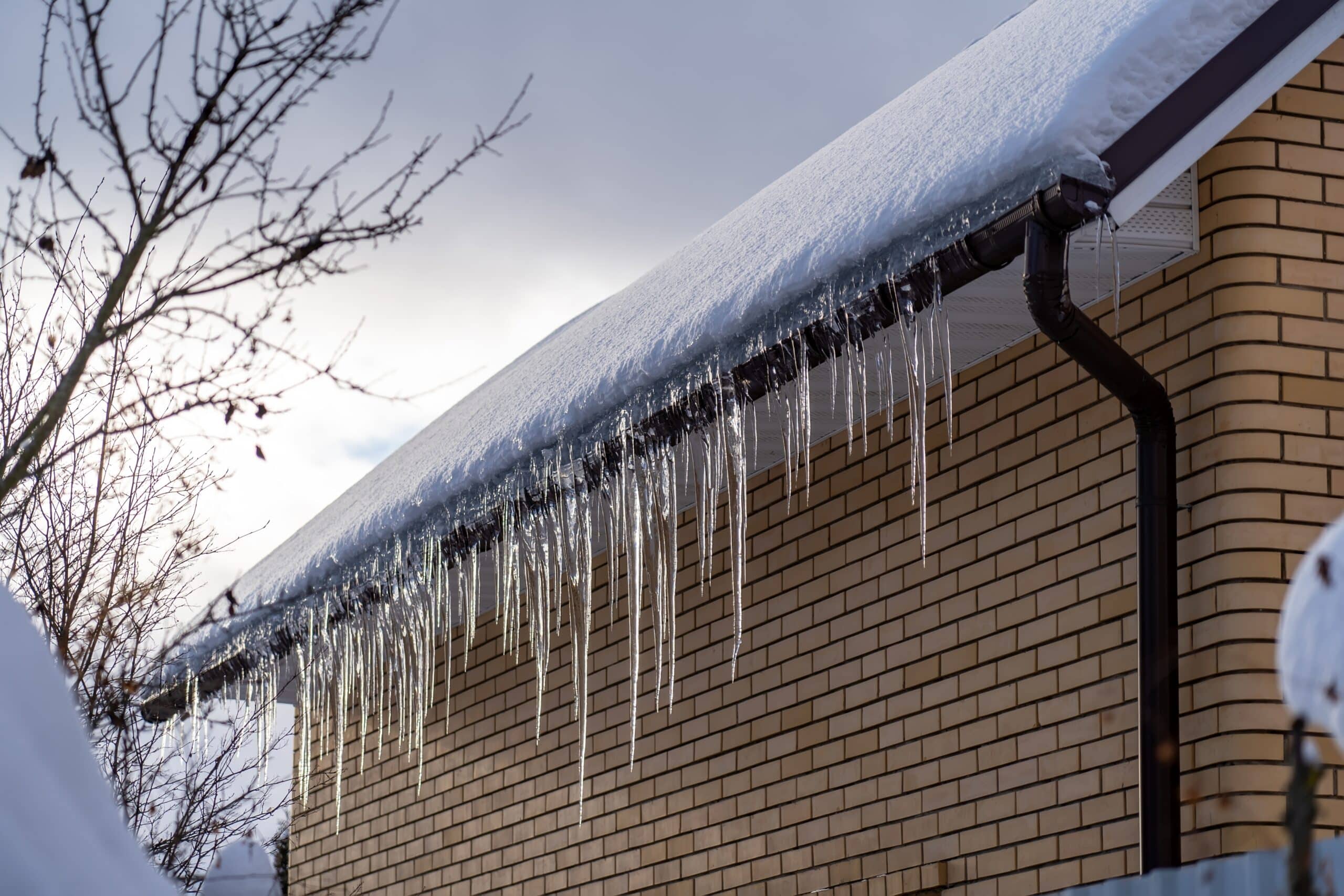
| Icicles hanging from gutters | Heat loss and melting snow refreezing at eaves | Moderate |
| Cold, drafty rooms under attic areas | Air leaks from living space into attic | Moderate |
| Uneven snow melt patterns (bare patches high, snow lingering low) | Warm roof deck above, cold eaves below | Moderate |
| A thick, solid ice ridge at the roof edge | Active ice dam; water may be backing up | High |
| Water stains near exterior walls/ceilings | Meltwater intrusion behind shingles or flashing | High |
The Root Causes (And Lasting Fixes)
Prevention targets 3 areas working together. Air sealing, insulation, and ventilation.
- Air sealing closes the gaps around lights, attic hatches & plumbing stacks so warm air doesn’t flood the attic.
- Insulation slows heat transfer from the living space. Right‑sizing attic insulation keeps the roof deck colder.
- Balanced ventilation (soffit intake + ridge exhaust) flushes any residual heat and moisture out of the attic so surfaces stay close to outdoor temperature.
Prevention Methods Compared
Not every home needs every upgrade. Here’re some common strategies you can consider:
| Prevention Method | Upfront Cost (relative) | DIY Friendliness | Expected Impact | Sustainability Notes |
| Attic air sealing | $$ | Pro recommended | High, cuts heat leaks that feed dams | Improves efficiency, lowers energy bills |
| Add/upgrade attic insulation | $$–$$$ | Pro/advanced DIY | High, keeps roof deck colder | Supports New Jersey sustainable roofing goals |
| Balance ventilation | $$ | Pro recommended | High, stabilizes attic temps and humidity | Extends shingle life; reduces condensation |
| Ice & water shield at eaves/valleys | $$$ (at reroof) | Pro only | Very high, acts as a waterproof backup | Best installed with new shingles |
| Heated de‑icing cables | $$ | Moderate | Medium, creates melt channels in problem zones | Increases electric use; use selectively |
| Gutter and downspout maintenance (plus guards) | $ | DIY/seasonal | Medium, improves drainage, reduces refreezing | Low impact, low cost |
Note: We do not recommend chiseling ice or using rock salt on shingles. Both can damage your roofing and gutters.
FAQs Homeowners Ask Fortified Roofing
Are icicles always bad?
Small icicles can be normal after sunny thaws, but large, solid ones signal heat loss and potential water backup. You may thus need to investigate.
Can heat cables solve the problem alone?
They can open melt paths at the eaves, but they don’t correct the underlying attic heat and air leakage. Cables should be considered a tactical assist and not a cure.
Will insurance cover ice dam damage?
Policies vary. Insurers often cover resulting interior water damage, but not the cost to remove the ice or fix long‑standing ventilation/insulation issues. Document everything and call your carrier.
Let’s Install a Winter‑Proof Roof for Your New Jersey Home
Fortified Roofing is your trusted roofing company in New Jersey with decades of experience diagnosing and preventing ice dams. We’ll help design a plan that protects your home and aligns with New Jersey sustainable roofing best practices.
If you’ve seen icicles, ceiling stains, or suspect roof leaks, contact us for a professional inspection today. Let’s glide through the next cold snap with confidence!
