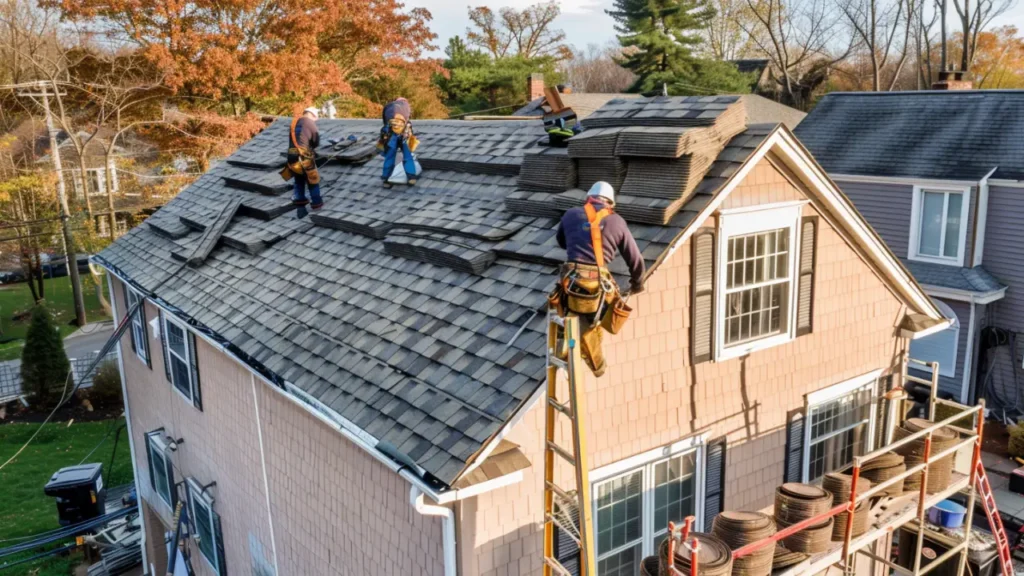
The best time of year for roof replacement in New Jersey is usually early fall. Early fall gives you mild weather, solid shingle sealing conditions, and time to protect the house before winter. Late spring is another strong window for getting ahead of summer storms and peak fall demand.
Suppose your roof is already leaking or clearly worn out. The best season becomes the first safe opening you can book before more water gets inside and damages insulation, drywall, or decking.
Key Takeaways
- Early fall is usually the best time for roof replacement in New Jersey.
- Late spring is a strong second choice for weather and scheduling.
- Summer works, but heat, storms, and schedule pressure can complicate the job.
- Winter replacement is possible when roof damage makes waiting riskier than cold weather.
- Roof condition, decking, flashing, ventilation, and access affect price more than the season.
- Early fall is usually the best time for roof replacement in New Jersey. The temps are comfortable, the crews can work steadily, and you’re not fighting the brutal heat or the deep cold.
- Late spring is a strong second choice for weather and scheduling. It’s a nice window where the days are longer, and it’s easier to get your project on the calendar before the summer rush.
- Summer works, but heat, storms, and schedule pressure can complicate the job. We can absolutely replace your roof in summer, I just like you to know what can slow things down.
- Roof condition, decking, flashing, ventilation, and access affect price more than the season. That’s what really moves the number, not the month on the calendar.
What is the best time of year for roof replacement in New Jersey?
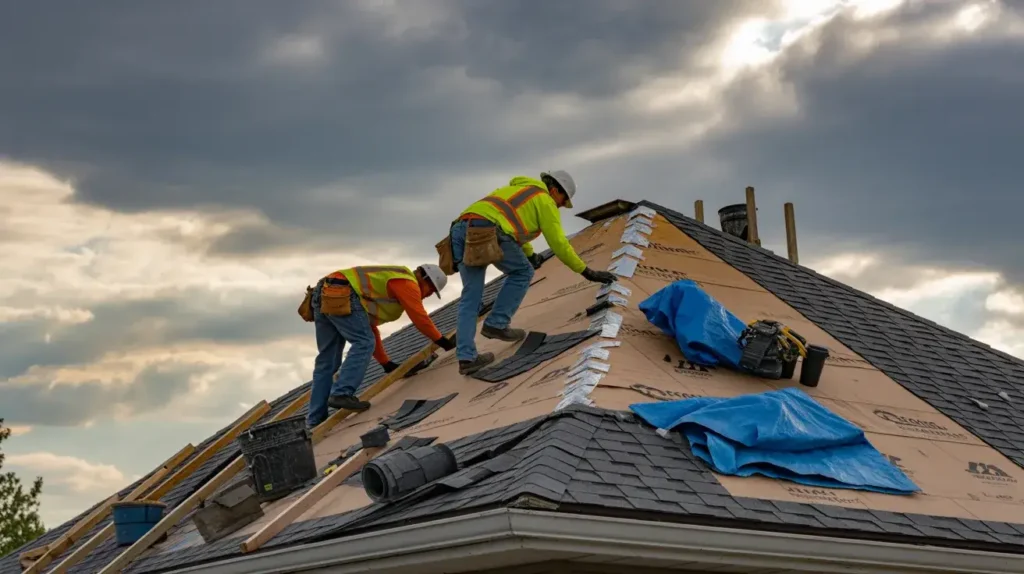
Early fall is usually the best time for roof replacement in New Jersey. The weather is more stable, crews can work efficiently, and homeowners get the roof in place before winter starts testing weak spots.
Late spring is a close second. Temperatures are usually workable, crews are ramping up, and you still have room to schedule the project before the busiest stretch of summer and fall.
The simplest rule is this. If you have a choice, aim for late spring or early fall so you get a better mix of weather, scheduling, and peace of mind.
Why is spring a good time for roof replacement?
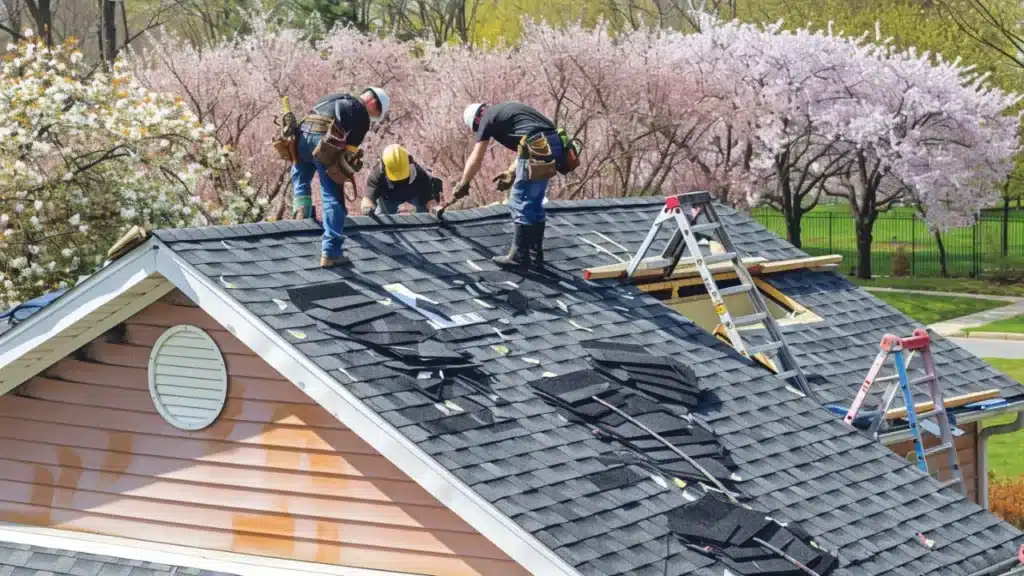
Spring works well for a simple reason. It gives homeowners decent temperatures and better scheduling flexibility than the busiest part of fall, which helps when you want the job done before storm risk rises.
That timing matters in New Jersey. NOAA says the Atlantic hurricane season runs from June 1 through November 30, so an aging roof is safer when it is addressed before late summer weather starts stacking up.
That said, spring rain can still reshuffle production dates, and a project that starts as a spring booking can easily slide into summer if you wait too long to line it up.
What are the pros and cons of summer roof replacement?
Summer roof replacement is completely workable. Longer daylight hours can help crews move quickly, and many families find summer easier for driveway access, child schedules, and day-to-day home logistics.
The tradeoff is, of course, the heat. Very hot days can slow parts of the job, and pop-up storms can interrupt a project that looked clear earlier in the day.
Demand is also strong in the summer. For summer roof replacements, reserve dates early so you are not forced into a rushed decision.
Why is fall usually the best time for a roof replacement?
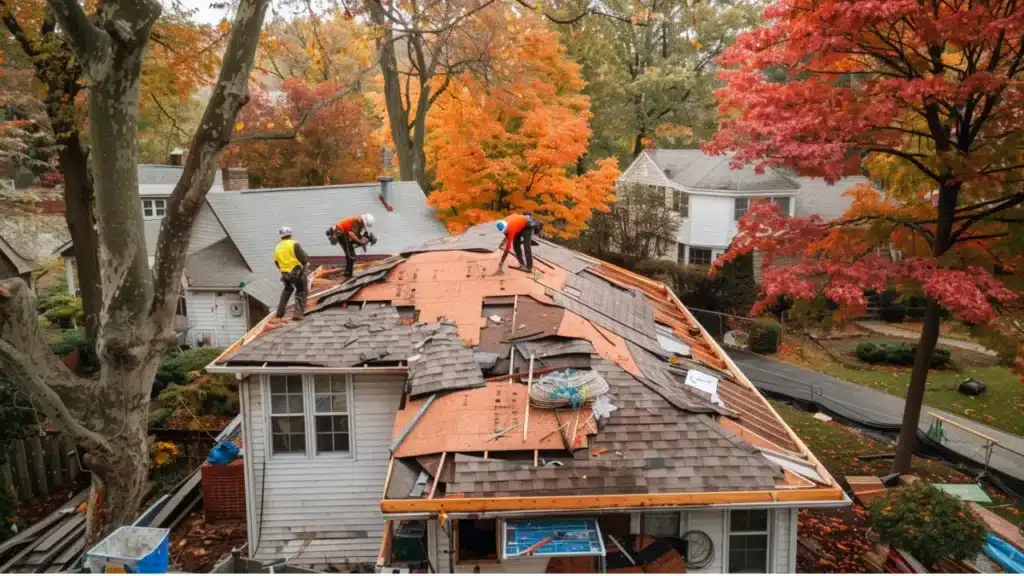
Fall gives you a better runway. I like getting your roof done before snow, ice, and freezing rain start testing flashing details, penetrations, and older weak areas.
Here’s the downside. Fall is popular, so the best contractors fill their schedules early after a summer of leaks, storm calls, and delayed homeowner decisions.
Can you replace a roof in winter?
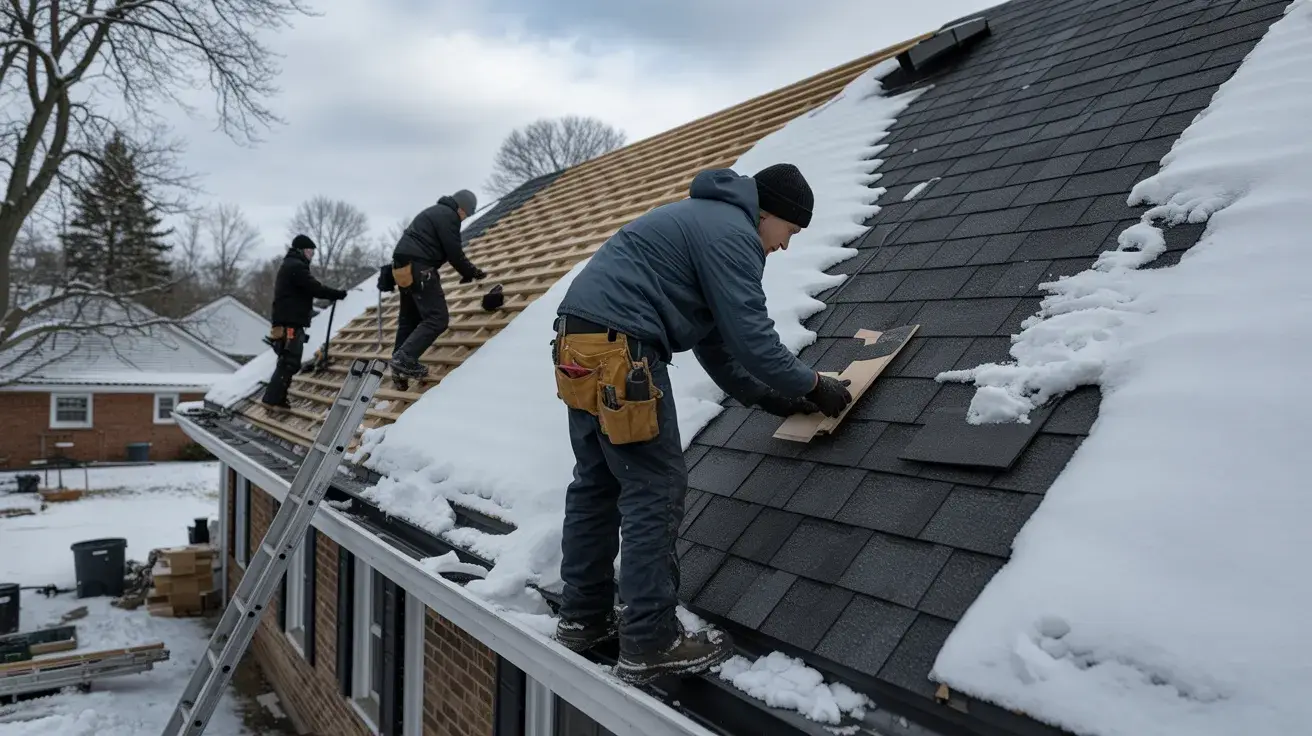
Yes, you can replace a roof in winter. For a routine project with no urgency, I would still rather see you schedule spring or fall because winter is less forgiving when the weather changes quickly.
Urgent roofs are different. If the roof is leaking, exposed, or too worn out to wait, winter replacement can absolutely make sense when the next safe opening is available.
Safety planning matters more in winter. OSHA warns that winter weather can create slippery surfaces and that snow covered rooftops can hide hazards, which is why cold-season jobs usually require more flexibility and more patience.
What is the difference between winter and summer roof replacement?
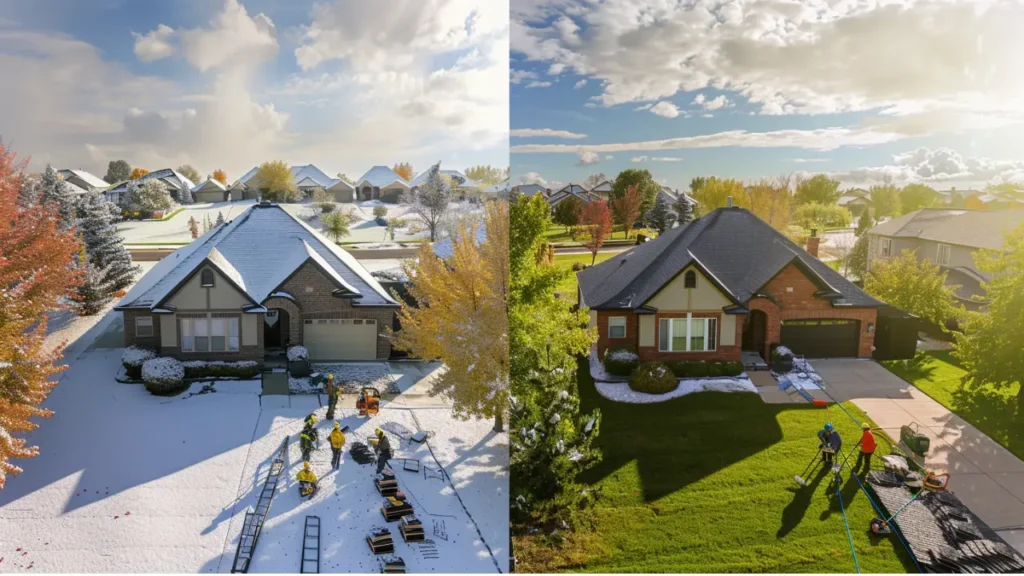
Winter and summer both work. Winter usually brings more delay risk because of snow, ice, and slick working conditions, while summer usually brings more heat stress, storm interruptions, and pressure on scheduling.
That’s the real difference. One season is harder on timing, and the other is harder on job site conditions.
If the roof can wait and you are choosing only between winter and summer, I usually lean toward summer. If the roof is already failing and winter is the next safe window, waiting for warm weather can be the riskier choice.
Which pricing factors matter more than season?
Season matters, but scope matters more. The biggest price drivers are roof size, roof pitch, layer count, material choice, access, flashing details, ventilation work, and whether damaged decking is found once the old roof comes off.
That is why two homes on the same street can get very different numbers. One roof may be simple and easy to access, while the other has multiple valleys, a steep pitch, worn flashing, and hidden wood damage.
The roof itself usually tells you more about the potential price than the season ever will.
How should you choose your roof replacement schedule in New Jersey?
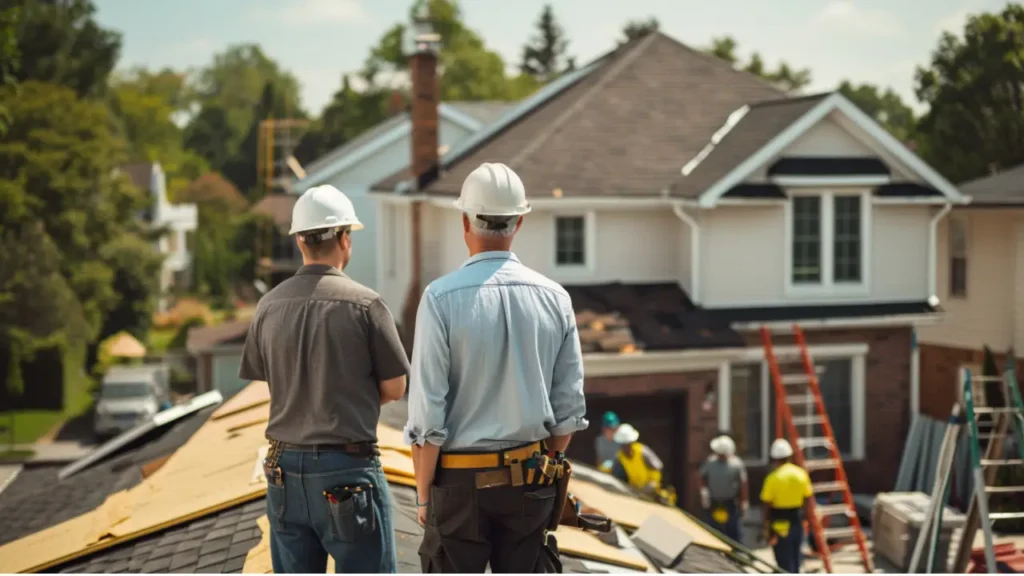
Start with urgency. If your roof is leaking or sagging, move it up the schedule, even if this month isn’t ideal. Waiting just because the calendar says it’s a better season can turn a manageable problem into interior damage fast. If your roof is old but still stable, you’ve got more room to plan around family routines and contractor availability.
Then you should consider convenience. Spring and fall are usually your strongest overall windows, with good weather, steady crews, and a smoother install. Summer can work really well, too, if it lines up with your household schedule. Winter is the season I use when delaying the job creates more risk than cold weather.
Keep it practical:
- Book spring or fall if your roof is stable and you want the best overall window.
- Use summer if it fits your household schedule better and you can reserve dates early.
- Move forward with winter replacement if waiting would allow the roof damage to worsen.
FAQs
No, not by itself. Cold weather roofing has to be planned around temperature, moisture, and safe working conditions, but the season alone does not guarantee failure.
No. Roof pricing is driven more by scope than by the season alone, so a simple fall roof can price better than a difficult winter job with delays, deck repairs, and extra labor complexity.
Earlier is better. If you want spring or fall dates, start the inspection and estimate process before the roof becomes urgent and before the best calendar slots disappear.
Not if the roof is already vulnerable. One more storm can turn a manageable replacement into interior water damage, emergency tarping, or more extensive wood repairs.
Checklist
- Start with the roof’s condition, not the month on the calendar.
- Aim for late spring or early fall when you have a choice.
- Do not postpone a failing roof just to chase a nicer season.
- Ask what is included for tear-off, decking, flashing, and ventilation.
- Reserve dates early if you want prime fall scheduling.
Topping it Off
The best time of year for roof replacement in New Jersey is usually early fall, with late spring close behind. Those seasons give homeowners the best mix of workable weather, cleaner scheduling, and practical protection before harsher conditions arrive.
Summer can still work well. Winter can also make sense when the roof cannot wait and delay creates more risk than the cold itself.
Protect Your Home With Trusted Roofing Experts in New Jersey
If you’re unsure about your roof’s condition, don’t wait for minor issues to turn into major damage. Fortified Roofing provides professional roof inspections, roof replacements, repairs, and solar roofing solutions throughout New Jersey. Whether your roof has storm damage, aging shingles, leaks, or you simply want peace of mind, our experienced team is here to help.
Led by roofing expert John Kabourakis, Fortified Roofing is committed to delivering honest recommendations, quality craftsmanship, and long-lasting roofing systems designed to protect your home and investment.
Call us today at (215) 260-8111 or contact our team online to schedule your inspection or request a free estimate.