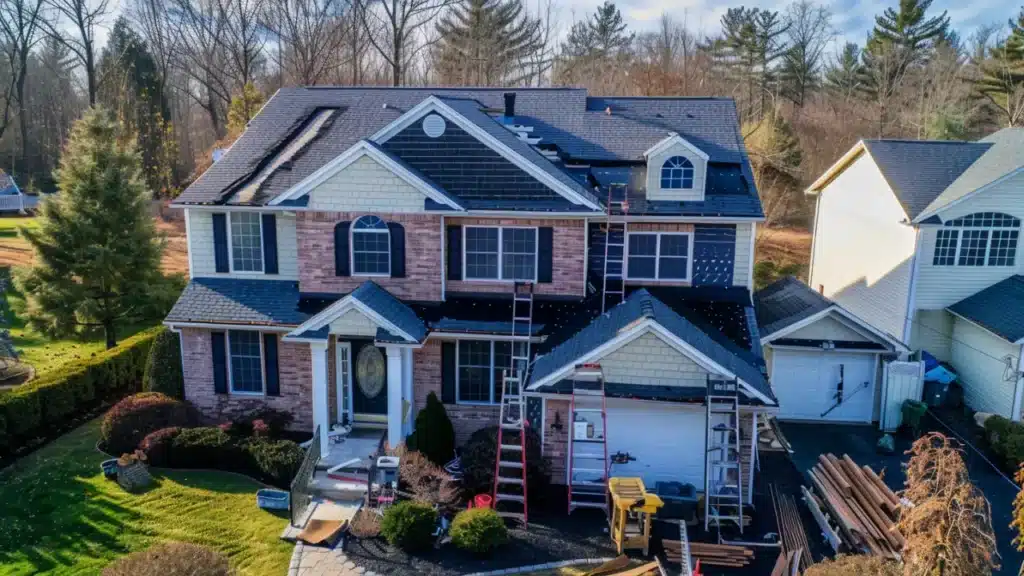
If your roof is showing its age, here’s what I’d want you to know before you spend a dollar.
Most homeowners don’t replace a roof very often, so it is normal to have questions. You want to know if you really need a new roof, what roof replacement cost in NJ usually looks like, how long the job takes, what materials make sense, and what the process is going to feel like from start to finish.
I’m John, and my team and I have been replacing roofs since 2001, and after 8,000 plus installs, I can tell you this. The homeowners who feel best about the decision are usually the ones who get clear answers early, before the problem turns into a bigger one.
This guide will walk you through the basics in plain English, so you know what to expect.
Key takeaways
- In New Jersey, many homeowners start thinking seriously about a new roof when their roof is around 20 to 25 years old.
- Missing shingles, leaks, granules in the gutters, worn flashing, and repeated problems are common signs you need a new roof in NJ.
- Roof replacement cost in NJ depends more on size, layout, materials, ventilation, and deck condition than on a simple average price.
- For many homes, the actual installation takes one day, but larger or more complex roofs can take longer.
How do you know if you need a new roof in NJ?
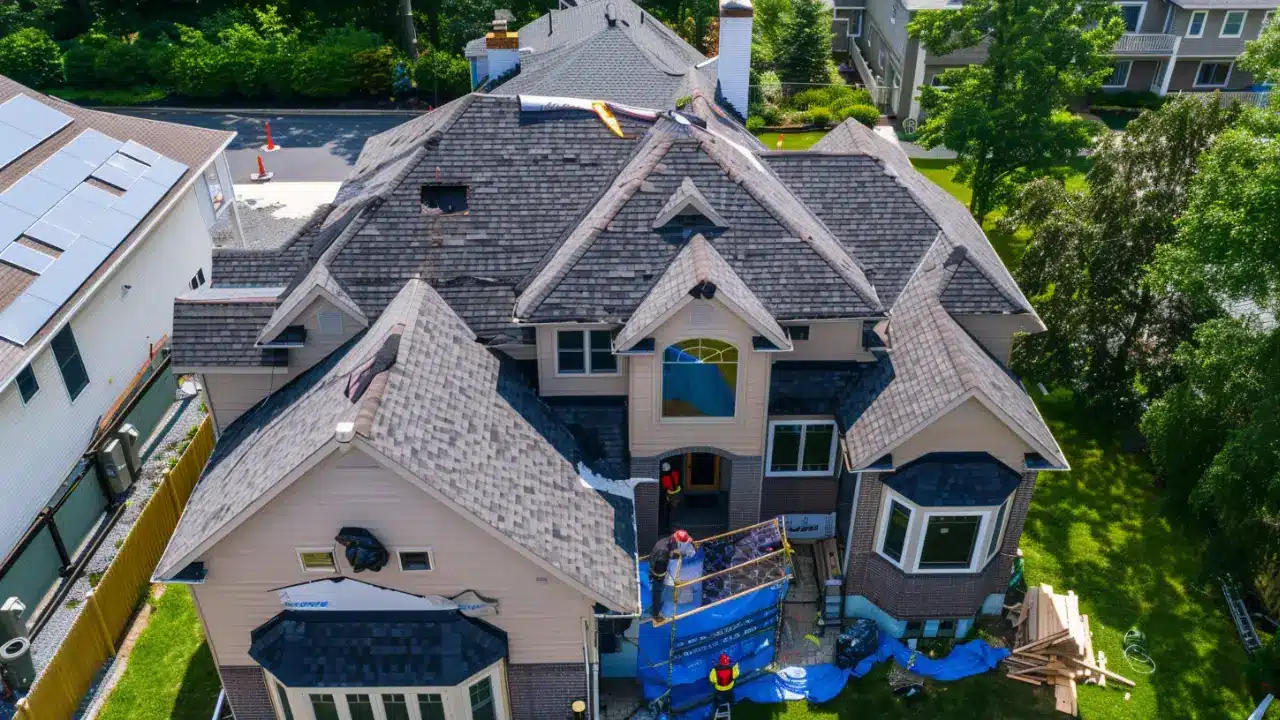
A lot of people wait for a dramatic leak before they act. I would rather you catch it sooner than that.
The warning signs usually build over time. One issue by itself may not always mean full replacement. But when the roof is older, and the problems start showing up in more than one place, that is usually when a new roof makes more sense than putting more money into short-term fixes.
Here are the signs I tell homeowners to watch for:
Your roof is around 20 to 25 years old.
Those sand-like granules help protect shingles from wear. When you see a lot of them wash out, the roof may be getting close to the end of its life.
You have ceiling stains or signs of water getting in.
A stain on a ceiling does not always mean the problem is directly above it, but it does mean something needs attention. If the roof is older, replacement may be the smarter long-term answer.
Flashing around chimneys, walls, or skylights is wearing out.
A lot of leaks start at roof details, not in the middle of a shingle field. If the flashing is failing and the roof is already aged, I usually look at the whole roof, not just one spot.
The roofline looks uneven or soft.
If part of the roof looks dipped, sagged, or soft underfoot, there may be deck damage underneath. That is something you want checked right away.
You keep paying for one more fix.
This is a big one. If your roof is older and you have already done a few patch-type repairs, there comes a point where replacement gives you better long-term value.
A simple way to think about it
If your roof is old and the issues are spread across the system, replacement is usually the smarter move.
If the roof is fairly new and the problem is isolated, we will tell you that too. My job is not to force you into a roof you do not need. My job is to give you the straight answer.
What does roof replacement cost in NJ
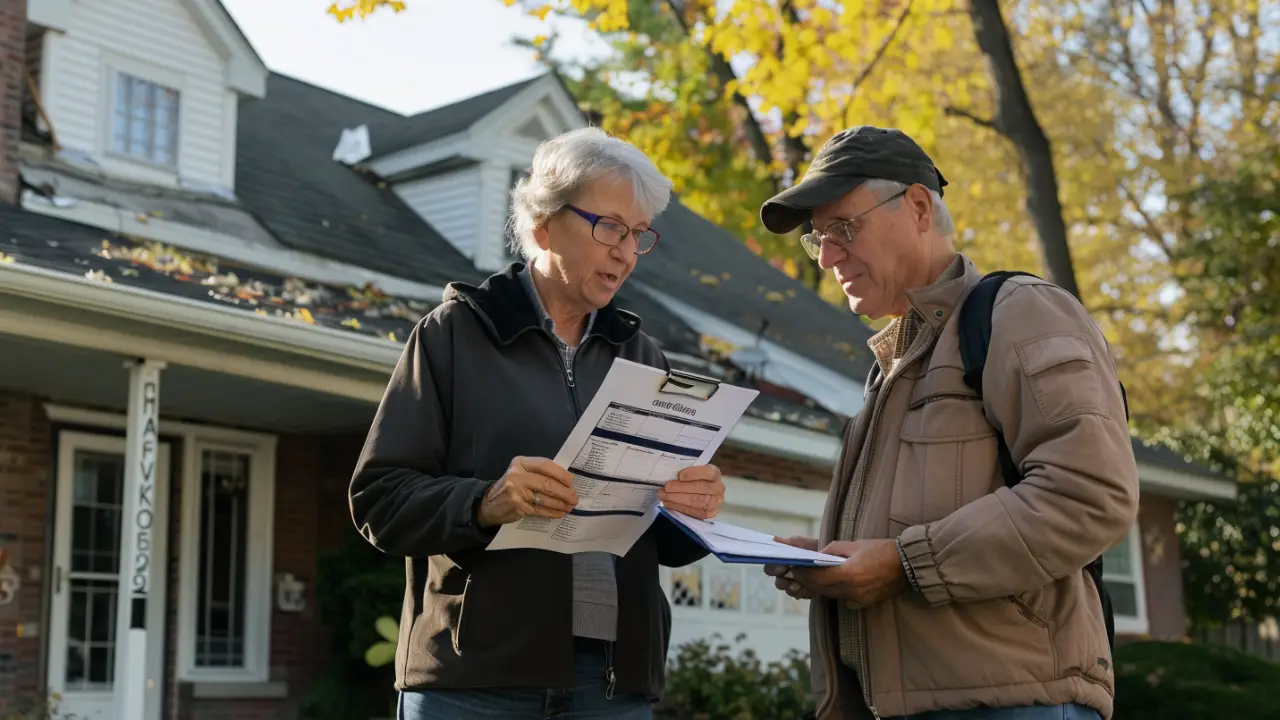
This is the question almost everybody asks first, and I understand why.
For many New Jersey homeowners, an asphalt shingle roof replacement often falls somewhere around $12,000 to $25,000. Some roofs come in below that. Plenty go above it. A larger home, a steeper roof, premium materials, and hidden wood damage can move the price quickly.
That range is useful as a starting point, but it is not enough to make a smart decision by itself. What matters is what is actually included in the estimate.
What usually affects the roof replacement cost in NJ:
Roof size and layout
A bigger roof needs more material and more labor. Roofs with dormers, valleys, hips, skylights, chimneys, and a lot of cut-up sections usually cost more than a simple straight run.
Roof pitch and access
A steeper roof is more labor-intensive. Limited access around the home can also affect how the crew moves material and debris.
Material choice
Architectural shingles, designer shingles, and metal all come with different price points. The roof you choose should fit your house, your budget, and how long you plan to stay there.
Tear-off needs
If there are multiple layers of old roofing to remove, or if disposal is more involved, that can add cost.
Decking condition
Once the old roof comes off, we may find wood that needs to be replaced. You cannot always see that from the ground, which is why a complete estimate should explain how decking repairs are handled if needed.
Flashing and detail work
Chimneys, step flashing, wall transitions, skylights, and pipe boots all matter. These are not throwaway details. They are common leak points, and they need to be installed correctly.
Ventilation
A roof that cannot breathe properly will not perform the way it should. Sometimes a replacement also needs ridge vent, intake venting, or other ventilation improvements.
Cleanup, disposal, permits, and workmanship
A good job includes protecting your property, cleaning up thoroughly, and leaving the site in good shape. It also includes a crew that knows what they are doing.
One thing I would watch out for
If one estimate is much lower than the others, do not assume you found a bargain.
Ask what is included. Ask what is missing. Ask whether they are replacing flashing, addressing ventilation, removing the full roof, protecting landscaping, and cleaning up properly. A low price can get expensive fast if the scope is thin.
Roof replacement materials and options
A new roof is more than just a shingle color. The material you choose affects cost, appearance, and long-term value.
Here are the main options most New Jersey homeowners look at.
Architectural asphalt shingles
This is the most common choice, and for good reason. Architectural shingles give you a nice look, solid performance, and a fair price for most homes.
For many homeowners, this is the sweet spot.
Designer shingles
These are a step up in appearance and cost. They can give the roof more depth and character, which can matter if curb appeal is high on your list.
Metal roofing
Metal is not for every house, but some homeowners like it for its look and longevity. It usually costs more up front, so it is something to compare carefully.
What matters beyond the shingle itself
This part gets missed all the time.
The shingles are what you see from the street, but the roof also depends on
– underlayment
– ice and water protection
– flashing
– starter shingles
– ridge cap shingles
– ventilation
– proper nailing and installation details
That is why I always tell homeowners not to compare roofs based on brand name alone. Compare the full system and the way it is being installed.
What are the steps in the roof replacement process?
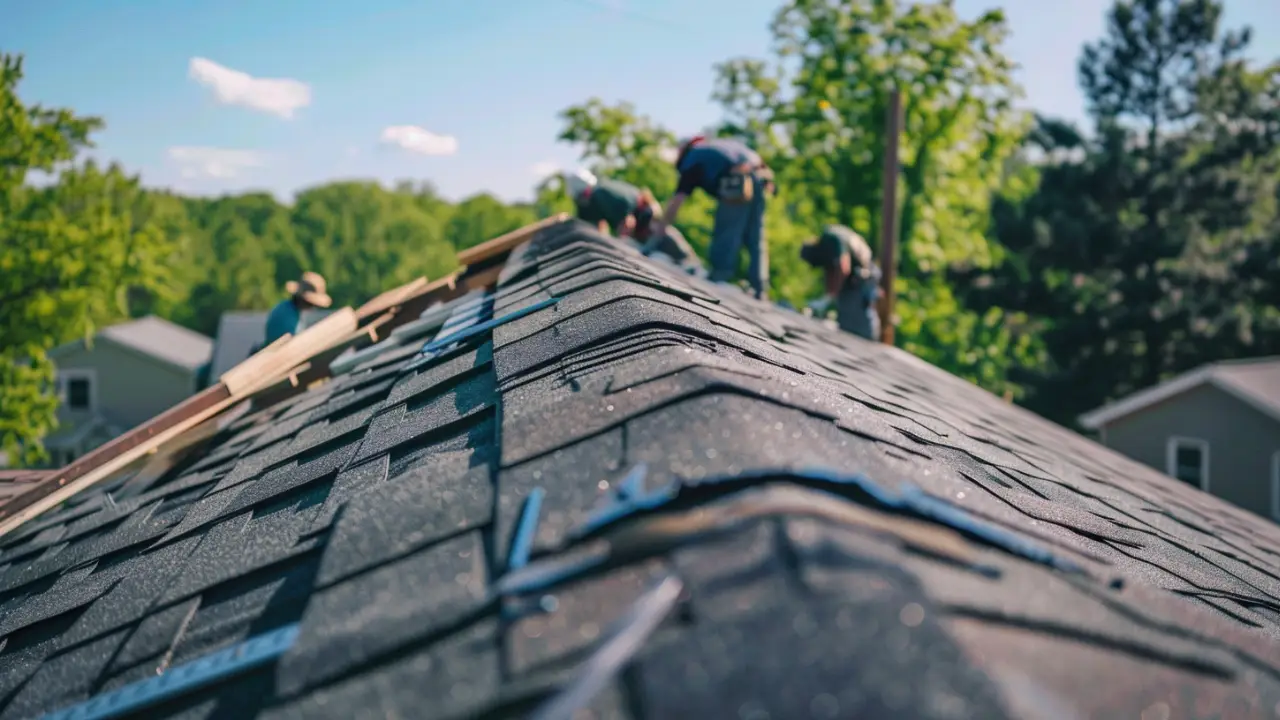
A lot of stress goes away once you know what the process actually looks like.
Here is how we usually walk homeowners through it:
1. Inspection and estimate
We start by looking at the roof closely. We check the shingles, flashing, ventilation, rooflines, and any problem areas you have noticed. Then we measure the roof and put together a clear estimate.
This is where you should get real answers, not a long sales pitch.
2. Review of options
We go over materials, color choices, ventilation needs, possible wood replacement, and the scope of work. If financing would help, this is also the time to talk through that.
3. Scheduling the job
Once you are ready to move forward, we schedule the install and explain what to expect before the crew arrives. That includes material delivery, driveway access, and anything you may want to move away from the house.
4. Protecting the property
Before the tear-off starts, we protect the areas around the house as best we can. That includes landscaping, siding, windows, and cleanup zones.
5. Tearing off the old roof
We remove the old roofing so we can see the deck underneath. This matters. A full tear-off gives us a chance to inspect the wood and build the new roof on a solid base.
6. Inspecting the decking
If damaged wood shows up, we replace what needs replacing. This is one of the reasons a full replacement is different from a surface-level fix. You get to address what is really going on underneath.
7. Installing the new roof system
This is where the new roof goes on. Underlayment, ice and water protection, flashing, ventilation components, shingles, and ridge caps all get installed in the proper order.
8. Cleanup and final walkthrough
A good roofing job is not done when the last shingle goes on. We clean up the site, remove debris, sweep for nails, and walk the project with you so you know what was done.
How long does a roof replacement take?
Homeowners usually ask this in two ways. How long is the crew going to be at my house, and how long will the whole process take from estimate to completion?
For many homes, the actual installation takes one day. A larger or more detailed roof may take two to three days. Some take longer if the roof is very steep, unusually large, or needs a lot of decking work.
The full process from inspection to completed install depends on scheduling, material choice, and how quickly you want to move.
What can affect the timeline?
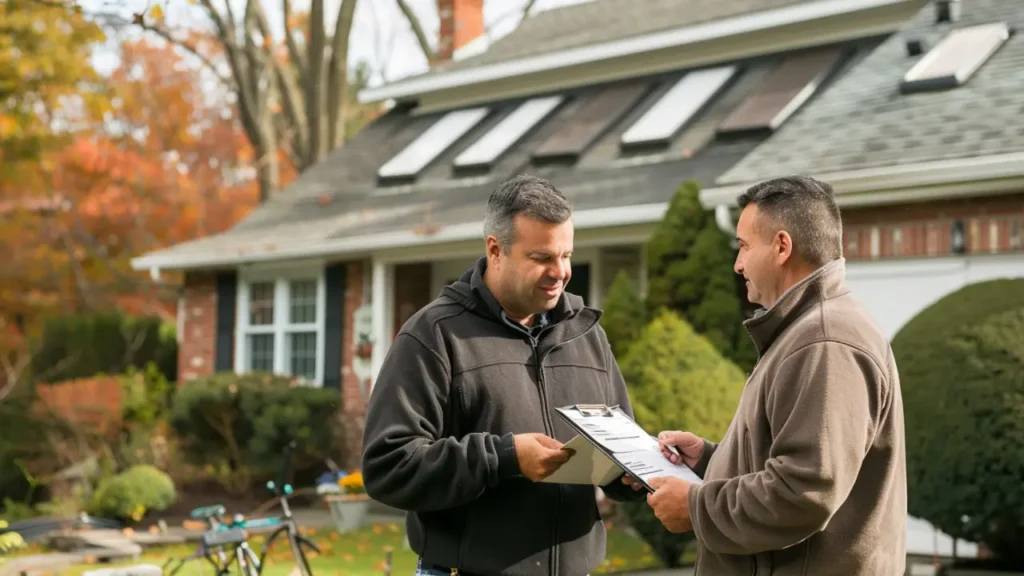
– roof size
– roof complexity
– steep slopes
– deck repairs
– material availability
– permit timing in your township
– how quickly final selections are made
What I would not do is chase an unrealistic deadline just to say the job was fast. A roof should be installed correctly.
This is a good place to slow down and compare your options.
Ask questions like these:
– What exactly is included in the estimate
– Are you tearing off the full roof
– What happens if damaged decking is found
– Are flashing and ventilation part of the scope
– Who is supervising the job
– How will the cleanup be handled
– What warranties come with the roof
– How long should the installation take at my house
Those questions will tell you a lot.
Mistakes I see homeowners make:
Waiting too long
A planned roof replacement is usually easier on your house, your schedule, and your wallet than an emergency one.
Comparing price only
The lowest number on paper is not always the best value. You want to compare the scope, the materials, and the workmanship behind it.
Focusing only on the shingle color
Color matters, but so do flashing details, ventilation, and installation quality.
Not asking about what’s underneath.
A roof can look rough from the outside, but sometimes the bigger issue is hidden wood damage or ventilation problems below the shingles.
Assuming another fix is always cheaper
If the roof is near the end of its life, putting more money into isolated fixes can end up costing more than replacing it the right way.
In Summation
Roof replacement in New Jersey does not have to feel confusing.
If you know the signs your roof is wearing out, understand what drives roof replacement cost in NJ, and know what the process should look like, you can make a much better decision before the problem gets bigger.
The main thing I want you to remember is this. A new roof is not just a pile of shingles. It’s a system that protects your home, your family, and everything underneath it. That’s why the details matter.
Protect Your Home With Trusted Roofing Experts in New Jersey
If you’re unsure about your roof’s condition, don’t wait for minor issues to turn into major damage. Fortified Roofing provides professional roof inspections, roof replacements, repairs, and solar roofing solutions throughout New Jersey. Whether your roof has storm damage, aging shingles, leaks, or you simply want peace of mind, our experienced team is here to help.
Led by roofing expert John Kabourakis, Fortified Roofing is committed to delivering honest recommendations, quality craftsmanship, and long-lasting roofing systems designed to protect your home and investment.
Call us today at (215) 260-8111 or contact our team online to schedule your inspection or request a free estimate.
Our Roofing & Exterior Services
- Roof Replacement
- Roof Repair
- Storm Damage Roof Repair
- Roof Inspections
- Solar Roofing Solutions
- Siding Installation & Repair
- Gutter Services
FAQ
Usually, yes. Most homeowners do. Just know it will be noisy while the crew is working.
Usually, yes. Most homeowners do. Just know it will be noisy while the crew is working.
We replace the damaged decking that needs to be replaced and show you what we found. That is one reason a proper tear-off matters.
Not always. But if the gutters are old, undersized, or already causing drainage problems, it is worth looking at them while you are doing the roof.
If the roof is older, showing wear in several areas, and starting to cause recurring problems, replacement is usually the better long-term decision.
That depends on the material, ventilation, installation quality, and how the roof was built. But in New Jersey, many homeowners start looking seriously at replacement once the roof gets into that 20 to 25-year range.